
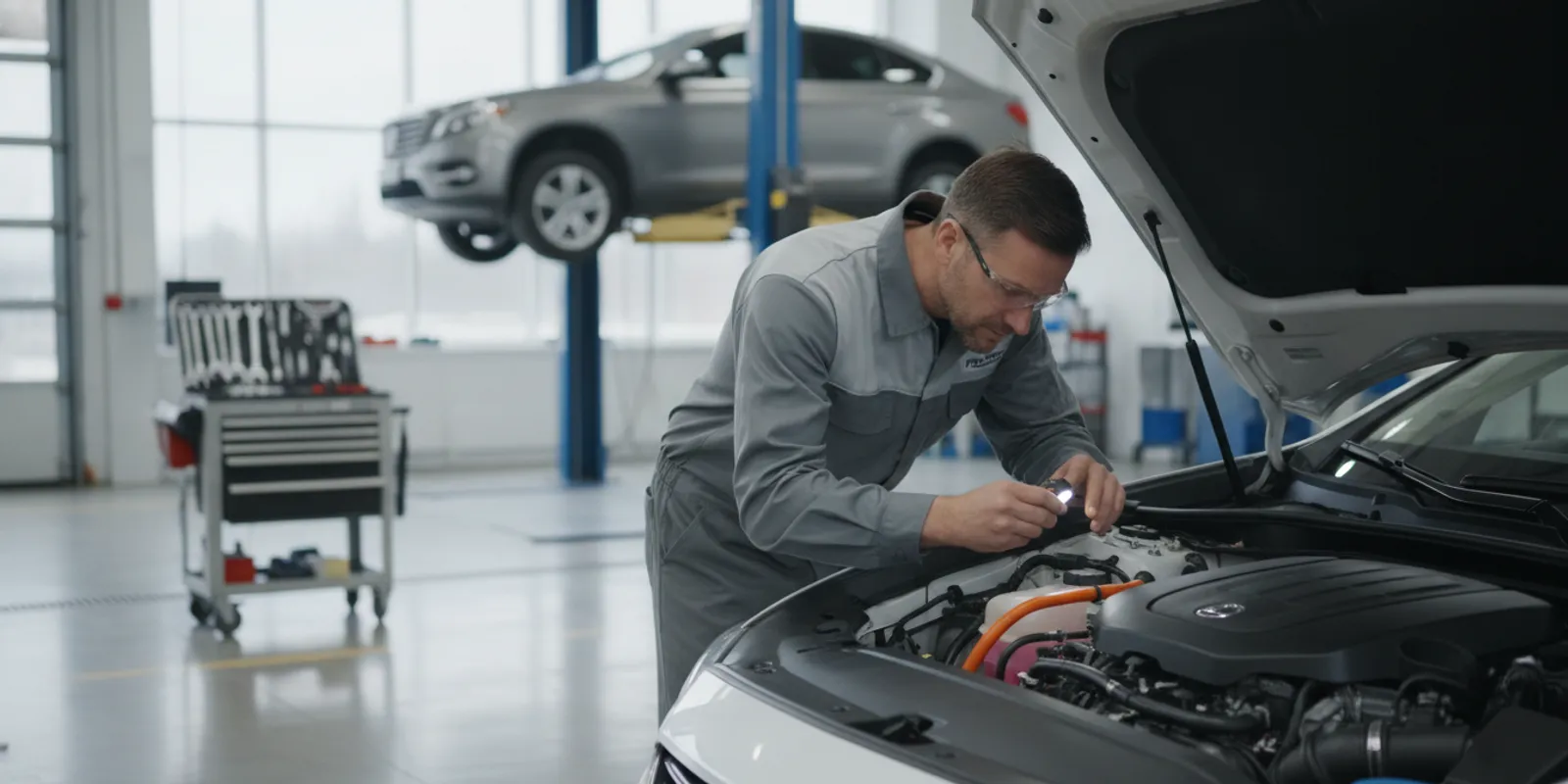
Are hybrid cars expensive to repair? Sometimes, but not in every situation. A hybrid can have specialized components that cost more to diagnose or replace, while its gasoline engine may see less use in some driving conditions. The vehicle's age, condition, repair history, and the exact fault matter more than the hybrid label alone.
What makes hybrid repair costs vary?
A hybrid combines a gasoline engine with an electric motor and a high-voltage battery system. That adds components and diagnostic steps that a conventional car may not have. Repairs involving the battery, inverter, power electronics, or cooling systems can require hybrid-specific training and equipment. Parts availability and the vehicle's make, model, and age also affect the final bill.
On the other hand, hybrid ownership does not mean every repair is costly. Many ordinary service items remain familiar, such as tires, brakes, filters, and suspension parts. Regenerative braking can reduce how often friction brakes are used, though actual wear depends on driving habits, road conditions, and maintenance. A vehicle with a clear service record and no warning lights may present a very different ownership outlook from one with an unresolved electrical fault.
Research summaries from government sources describe a mixed picture: repair costs can vary by vehicle and component, and no single generalization predicts the cost for a specific used hybrid. For background on hybrid battery life and repair, see the California Air Resources Board discussion of extending hybrid battery life. Treat it as context, not a prediction of a particular vehicle's condition or future costs.
Which hybrid parts may need special attention?
When evaluating a used hybrid, ask whether the seller can explain the condition and service history of the systems below. A qualified inspection can help identify current concerns, but it cannot promise that a component will never need repair.
- High-voltage battery: Ask whether there are warning messages, diagnostic results, or documented battery-related repairs. Battery design and replacement procedures differ by model.
- Inverter and power electronics: These components manage electrical power between the battery, motor, and other systems. Ask about stored codes or prior repairs.
- Cooling systems: Some hybrid components rely on dedicated cooling. Confirm that relevant maintenance has been completed when required by the manufacturer.
- Brakes: Regenerative braking changes how braking energy is used, but the brake system still needs inspection for wear, corrosion, and proper operation.
- Gasoline-engine systems: Hybrids still have engines and related components. Review oil changes and other model-specific service items.
Not every used hybrid has the same equipment or service requirements. Consult the owner's manual and service records for the specific model rather than assuming that all hybrid systems are alike.
Does routine maintenance cost less on a hybrid?
It may, depending on the vehicle and how it is driven, but there is no universal savings figure. Some hybrids can use less fuel than comparable conventional vehicles, and regenerative braking may reduce brake wear in certain conditions. Those potential benefits do not remove the need for scheduled maintenance, tires, brakes, or repairs to age-related parts.
Compare a specific hybrid with a similar non-hybrid vehicle by looking at its maintenance schedule, known service history, tire condition, and repair documentation. Also consider where you would take it for diagnosis. Confirm that the service provider is equipped to work on the model's hybrid systems. Select Auto Imports has a luxury auto service center; check with the service team about a particular vehicle and its needs.
How can you assess a used hybrid before buying?
Focus on evidence, not assumptions about the technology. Use these steps to make a more informed decision:
- Review the service records. Look for regular maintenance, dates and mileage for repairs, and any documentation related to hybrid components.
- Check for warning indicators. Ask whether any hybrid-system warning lights or diagnostic codes are present, and request an explanation of documented repairs.
- Arrange a qualified inspection. Have a technician familiar with hybrid vehicles assess the car. Ask what the inspection covers and whether it includes relevant system diagnostics.
- Review the vehicle history and condition. Compare records with the physical inspection. A history report is useful, but it is not a substitute for a mechanical assessment.
- Plan for ownership. Check the manufacturer's maintenance schedule and find out what service options are available near home.
For shoppers comparing different types of premium vehicles, browse the current pre-owned inventory and compare each vehicle's records and equipment. Inventory and vehicle details can change, so confirm current information before making plans.
What should you ask about cost before choosing?
Ask direct questions about the particular car rather than relying on a broad average. These questions can help clarify what is known and what remains uncertain:
- Are there current warning lights, diagnostic codes, or open repair concerns?
- What maintenance and hybrid-system repairs are documented?
- Has a qualified technician inspected the high-voltage system and related cooling components?
- Are replacement parts readily available for this model, and what is the expected diagnostic process if a fault appears?
- What does the vehicle's service schedule call for next?
- Which warranty coverage, if any, applies to this specific vehicle, and what are its written terms and exclusions?
Do not assume a warranty applies to every vehicle or covers every hybrid component. Read the actual terms and confirm coverage for the car under consideration.
Frequently asked questions
Are hybrid batteries always expensive to replace?
No. Replacement needs and costs depend on the vehicle, battery design, diagnosis, parts, and repair options. Ask for model-specific information and have concerns evaluated by a qualified technician.
Do hybrids need less maintenance than gas cars?
Some service needs may differ, and certain driving conditions may reduce wear on particular parts. Hybrids still require scheduled maintenance and can need repairs to both gasoline and electric systems.
Should a used hybrid get an inspection before purchase?
A qualified pre-purchase inspection is a sensible way to assess current condition. Tell the inspector that the vehicle is a hybrid and ask whether the inspection includes appropriate hybrid-system diagnostics.
Can I compare hybrid models in person?
You can ask about available vehicles and compare their features, history, and condition. To discuss a vehicle or request help locating one, contact Select Auto Imports.
Contact us to discuss your options
Repair costs depend on the individual vehicle, so review its records and condition before deciding. A clear inspection and specific answers provide a better basis for estimating ownership needs than a blanket rule about hybrids.