
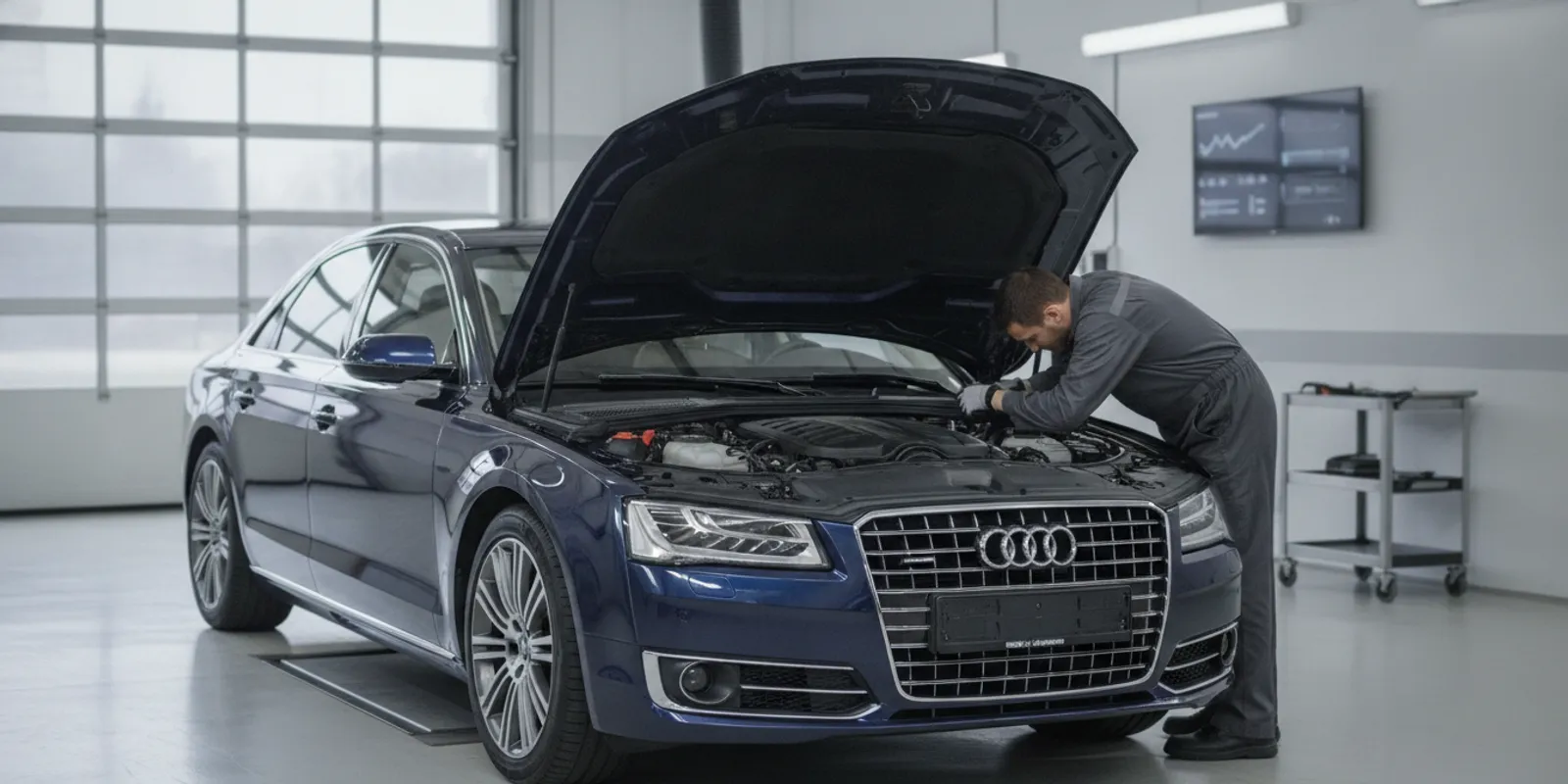
How long do luxury cars last? There is no single mileage or age that applies to every vehicle. A well-maintained luxury car may remain useful for many years, while deferred service, hard use, or costly component failures can shorten its practical life. To judge a specific car, look beyond its badge and odometer: review its service history, current condition, repair outlook, and your plans for ownership.
What determines how long a luxury car lasts?
Longevity depends on the particular vehicle and how it has been used and cared for. Engine and transmission durability matter, but they are only part of the picture. Routine maintenance, climate, driving patterns, parts availability, and access to technicians familiar with the vehicle can all affect how practical it is to keep.
Luxury models may include advanced comfort, safety, and driver-assistance systems. These features can make a car more capable and enjoyable, but they may also add diagnostic or repair considerations as the vehicle ages. A problem with an electronic feature does not necessarily mean the engine or transmission is near the end of its life; it does mean the full vehicle condition matters.
Mileage is useful context, not a verdict. Highway miles may involve less stop-and-go operation than repeated short trips, but the odometer alone does not reveal how consistently the car was serviced. A lower-mileage vehicle with missing records is not automatically a better choice than one with more miles and documented care.
How does maintenance affect a luxury car’s lifespan?
Following maintenance guidance for the exact year, model, engine, and configuration helps you plan for wear and service. Oil and fluid service, tires, brakes, cooling components, and scheduled inspections deserve attention. Do not assume a generic schedule applies to every luxury vehicle, especially when the model has specialized systems or manufacturer-specific service needs.
Look for records that identify dates, mileage, and work performed. They can show whether routine service was kept up and whether a recurring concern has been investigated. If records are incomplete, ask what can be verified and arrange an independent inspection before deciding. A technician can check for visible leaks, worn components, warning lights, and signs that further diagnosis may be needed.
NHTSA offers consumer vehicle-safety resources at its official website; use manufacturer guidance and a qualified technician for recommendations specific to a particular car. For ongoing care, review Select Auto Imports’ luxury auto service information and its service department resources. Service needs vary by vehicle.
Which ownership factors can shorten or extend useful life?
- Driving conditions: Frequent short trips, heavy traffic, extreme temperatures, and rough roads can increase wear on some components.
- Maintenance consistency: Timely service and early attention to warning signs can help prevent avoidable deterioration.
- Repair access: Specialized parts or systems may affect how quickly and economically a vehicle can be repaired.
- Prior use: Towing, track use, accidents, or long periods out of service may matter, depending on the model and condition.
- Technology and age: Electronics, seals, hoses, and other materials may require attention as a car gets older, even if it still drives well.
- Ownership plans: A car that suits a short-term need may not be the right choice if you intend to keep it for many years or drive it heavily.
These factors are prompts for careful evaluation, not a formula that predicts a precise lifespan. Two cars of the same model year can have very different histories. Also distinguish between a car that can be repaired and one that remains practical for you to own: repair access, budget, downtime, and your confidence in its condition all matter.
How should you evaluate a used luxury car?
Start with the specific vehicle’s records and service needs. Compare the maintenance documentation with the car’s age and mileage, and ask about recent work, known issues, and repairs that remain outstanding. If an answer is unclear, treat that as a question to resolve rather than assuming the vehicle has no problem.
Inspect the interior and exterior for condition and signs of prior repairs, then check that equipment works as expected. Test climate controls, infotainment, cameras, driver-assistance features, powered seats, windows, and other systems. During a test drive, note unusual noises, vibration, warning messages, or delayed shifting. A test drive can surface concerns, but it cannot replace a mechanical inspection.
An independent pre-purchase inspection gives you a clearer basis for deciding. Ask the technician to separate urgent safety or reliability issues from items that can be planned for later. Request explanations of any warning lights or diagnostic findings, likely next steps, and the uncertainty that remains. You can then compare the expected work with your ownership plans instead of relying on a general claim about how long a model should last.
Select Auto Imports describes its Select Certification as involving inspection and written guarantees against frame damage, body panel replacements, and flood damage. Confirm whether the particular vehicle is certified and review the applicable documents. Do not assume certification means every mechanical repair is covered or that every vehicle has the same status.
How can you estimate long-term ownership costs?
Build an estimate that goes beyond the purchase decision. Consider scheduled maintenance, tires, brakes, insurance, fuel or charging, and a reserve for repairs. Costs vary with model, age, condition, parts, and labor, so obtain estimates for the exact vehicle and any work the inspection identifies. Ask which expenses are due soon and which are only possibilities.
A simple comparison can help organize the decision. For each car you are considering, write down the known upcoming service, any unresolved inspection findings, and the source of your cost estimate. Then compare those items with how long you expect to keep the car and how much downtime you can accept. Do not treat a low purchase price or low odometer reading as a substitute for this review.
Financing also affects the total amount paid over time. Review the proposed terms and your budget rather than focusing only on a monthly figure. Select Auto Imports provides information about financing a pre-owned vehicle; terms depend on the vehicle, lender, and individual eligibility.
If you are comparing vehicles, browse certified inventory and check the listing for the specific car’s current status and details. Availability changes, so confirm the vehicle’s condition, certification, and any warranty terms directly before making plans.
Is an older luxury car still worth keeping?
That depends on its condition, repair outlook, and how well it continues to meet your needs. Compare the cost and timing of needed work with the cost and uncertainty of replacing the vehicle. A well-documented car that passes an inspection may remain a sensible option, while expensive or recurring faults can change the calculation. Ask a technician to explain which repairs are urgent, which can be scheduled, and what further diagnosis may be needed.
If you are considering a change, Select Auto Imports offers a trade-in appraisal resource. Any appraisal depends on the vehicle and its evaluation.
Frequently asked questions
How many miles can a luxury car last?
There is no guaranteed mileage limit. Model, maintenance, driving conditions, and repair history all affect how long a particular car remains dependable and practical to own. Review the individual vehicle rather than relying on a single mileage threshold.
Does a luxury car become unreliable after a certain age?
Age alone does not determine reliability. Older vehicles may need more attention to wear items, electronics, and aging materials, so evaluate condition and service records for the specific car.
Are luxury cars more expensive to maintain?
Maintenance and repair needs vary by brand, model, parts, and condition. Some specialized components or systems can require additional diagnosis or repair. Get estimates for the vehicle you are considering instead of assuming one cost applies to every luxury car.
Should I buy a higher-mileage luxury car?
It may be worth considering if its records are strong, inspection results are satisfactory, and expected costs fit your plans. Treat mileage as one piece of evidence, not a substitute for checking condition.
What is the most important step before buying?
Review the service history and arrange a careful inspection. Confirm the exact vehicle’s condition, certification status, and any warranty terms before you decide.
Contact Select Auto Imports with your questions
A thoughtful review of maintenance, condition, and future needs is a better guide to a luxury car’s useful life than age or mileage alone.