
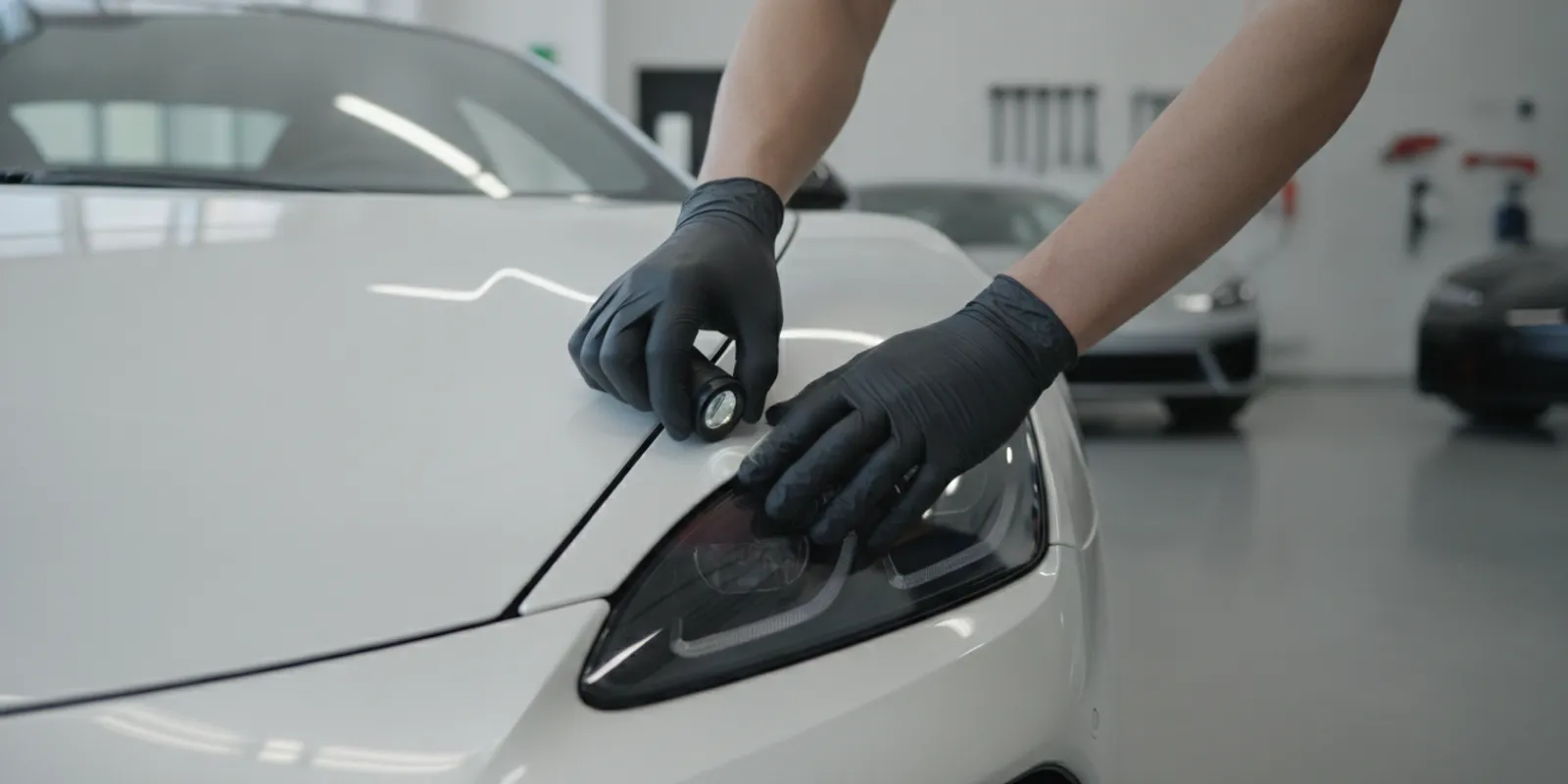
Used exotic car maintenance is easier to manage when you start with the exact vehicle, its service history, and the manufacturer’s schedule—not assumptions about every car in a class. Before buying or planning ownership, identify upcoming services, inspect records, and ask a qualified technician to assess condition. That gives you a clearer picture of the work a specific vehicle may need.
What makes exotic car maintenance different?
“Exotic” covers many designs, powertrains, and levels of performance. A high-performance coupe, a luxury grand tourer, and an exotic SUV can have different service schedules, parts, fluids, and inspection needs. Even two vehicles from one maker may differ by model year, engine, options, or prior use.
That is why broad rules such as “service every few months” are poor substitutes for the owner’s manual and model-specific guidance. Use the maintenance schedule for the exact vehicle and confirm that any service record matches its mileage and configuration. If the manual is missing, ask a manufacturer-authorized or otherwise qualified specialist how to obtain the correct schedule.
Performance driving, frequent short trips, long periods of storage, and local climate can also affect what a technician checks. These factors do not automatically mean a vehicle has a problem. They are useful context to share when asking for an inspection or service recommendation.
How should you build a maintenance plan?
Start with a written baseline rather than trying to predict every repair. Gather the vehicle identification number, current odometer reading, owner’s manual, available service invoices, and any inspection results. Then compare documented work with the schedule for that specific vehicle.
- Confirm the schedule. Note time- and mileage-based items, as well as any inspections or fluid changes specified by the manufacturer. Ask whether the schedule changes under the vehicle’s actual use.
- Sort records by date and mileage. Match invoices to the odometer and look for clear descriptions of parts and work. A stamp or a seller’s summary can be helpful, but detailed receipts provide more context.
- List due and uncertain items. Separate documented completed work from items that are coming due and items for which there is no proof. Do not treat an undocumented service as completed.
- Arrange an independent condition review. Ask a qualified technician to examine the vehicle and explain immediate concerns separately from routine or future maintenance.
- Keep a continuing log. Save invoices, inspection notes, dates, mileage, and recommendations. This makes it easier to track the next interval and explain the vehicle’s history later.
For a used vehicle purchase, review the certified inventory and available history carefully, but do not infer that every listed vehicle has the same certification or warranty status. Select Auto Imports describes its Select Certification process as including physical and mechanical inspection and written guarantees against frame damage, body panel replacements, and flood damage. Confirm the status and terms for the specific vehicle you are considering. If you are searching for a particular model, you can also submit a vehicle request to the dealership.
Which items deserve attention during an inspection?
A thorough inspection should be tailored to the model and its records. Ask the technician what was checked, what was found, and which observations need action now. Depending on the vehicle, a review may cover areas such as:
- Fluids and leaks: Look for signs that fluid levels, condition, or seepage merit further diagnosis. The correct fluid specification matters; do not assume a generic substitute is suitable.
- Brakes and tires: Ask about pad and rotor condition, tire wear, age, correct tire specification, and whether wear appears even. Performance tires can have different requirements, so follow vehicle-specific guidance.
- Suspension and steering: Discuss unusual noises, uneven tire wear, warning messages, or changes in ride and handling. These observations help direct a closer inspection.
- Battery and electrical systems: Ask whether the battery condition and relevant charging or electrical systems were evaluated, especially if the vehicle has been stored or driven infrequently.
- Belts, hoses, and cooling: Have the technician assess applicable components and follow the service schedule for the vehicle’s engine and cooling system.
- Diagnostic warnings: If a warning light appears, record when it began and any conditions around it. Have the underlying cause checked rather than relying on a reset.
These are discussion points, not a replacement checklist for the manufacturer. A technician should adapt the work to the particular model, inspection findings, and service history.
How can service records help you plan costs?
Do not budget from a single estimate or assume all exotic cars cost the same to maintain. Parts availability, labor requirements, vehicle condition, and the specific repair all affect a quote. Ask for an itemized estimate that distinguishes scheduled maintenance, diagnostic work, and repairs found during inspection.
For clearer planning, ask the service provider to group recommendations by urgency: work needed to address a current safety or operating concern, maintenance due under the schedule, and items to monitor or plan for later. Ask what evidence supports each recommendation and whether a follow-up inspection is appropriate. Confirm the scope and estimate before authorizing work.
When comparing providers, consider relevant experience with the make and model, access to appropriate diagnostic equipment, parts sourcing, and how the shop documents its work. Select Auto Imports has a luxury auto service center; contact the team to ask whether it can address the specific vehicle and requested work. You can also review its broader service and repair information.
What if the vehicle will sit for a while?
Storage planning depends on the vehicle and the expected length of time it will be unused. Check the owner’s manual for storage recommendations, and ask a qualified technician about battery care, tire considerations, fluid needs, and the right way to return the car to regular use. Avoid relying on a generic routine that may not suit a particular model.
Before a long trip or a change in use, bring the maintenance log and describe the driving conditions. A technician can use that context to check for overdue scheduled work and address concerns before they become more disruptive. Keep any storage or service instructions with the vehicle’s records.
What should you ask before authorizing maintenance?
- Which manufacturer schedule or diagnostic finding supports this recommendation?
- What work is due now, and what can be monitored or planned for later?
- What parts and fluid specifications will be used?
- Will the estimate separate inspection, diagnosis, maintenance, and repair?
- What records will I receive after the work is complete?
Clear answers help you understand the purpose of each item and preserve a useful history. For safety-related recall information, consult the National Highway Traffic Safety Administration and verify any notice against the specific vehicle. Recall status does not replace routine maintenance or an inspection.
Ask about maintenance for your vehicle
Frequently asked questions
How often does a used exotic car need maintenance?
There is no single interval for all exotic vehicles. Follow the schedule for the exact make, model, year, and powertrain, and ask a qualified technician how use and service history affect the next due items.
Can service records tell me whether a car is in good condition?
Records show what work was documented, when it happened, and at what mileage. They cannot prove a vehicle’s current condition by themselves, so combine them with a vehicle-specific inspection.
Should I use a general repair shop or a specialist?
Choose a provider with relevant experience, suitable diagnostic capability, and access to the correct procedures and parts for the model. Ask how the shop will document findings and explain recommendations before approving work.
Does a certification mean every future repair is covered?
No. Confirm the terms and status for the specific vehicle. Inspection or certification information is not a substitute for reading any applicable written guarantee or warranty, nor does it establish coverage for every future maintenance item.
A consistent, model-specific plan helps you care for a used exotic car without guessing. Start with the records and manufacturer schedule, get condition-based advice from a qualified technician, and keep a clear log of every service.