
When comparing CARFAX vs. AutoCheck, it helps to think of each as a record-based research tool, not a complete account of a vehicle’s life. Both can reveal useful clues about title history, reported damage, ownership, and other events. Neither report can confirm that every accident or repair was documented, so a report review should be one part of a broader evaluation.
Ask a question about vehicle history
What do CARFAX and AutoCheck have in common?
Both services assemble vehicle history information from records supplied by outside sources. Depending on the vehicle and what has been reported, a report may show title events, registration or ownership details, odometer readings, reported accidents or damage, service records, and other history. The exact entries vary because not every source reports every event, and records can take time to appear.
A report can help you build a timeline and identify questions to ask. For example, an odometer entry that differs from a later reading deserves clarification. A reported collision may prompt questions about the affected area, repairs, and available documentation. A clean-looking timeline can be reassuring, but it is not proof that the vehicle has never been damaged.
The key limitation is shared by both products: these are compiled records, not a physical examination of the specific car. A vehicle history provider can only report information it receives and can match to that vehicle. If an incident was never reported to an insurer, police agency, repair facility, or another contributing source, the report may have no record of it. This is why two reports can be informative and still incomplete.
How should you compare the two reports?
Do not assume one report is always complete or always better. The services draw on different data networks, and the available record for a particular vehicle may vary. If both reports are available, compare their timelines and look for entries that are missing, inconsistent, or need more context. You can also learn about the U.S. Department of Justice’s National Motor Vehicle Title Information System (NMVTIS), a separate government resource for vehicle title and related history information. NMVTIS and commercial history reports are still record-based sources; none can substitute for examining the actual vehicle. Treat any record source as a way to guide your questions, not as a complete verdict on condition.
- Check the vehicle identity. Confirm that the VIN on the report matches the VIN on the car and its paperwork. A mismatch makes the report unhelpful for evaluating that vehicle.
- Read the timeline carefully. Compare dates, locations when provided, mileage readings, title events, and reported damage. Look for gaps or readings that do not make sense in sequence.
- Distinguish a record from an explanation. A report may identify an event without describing its full extent, cause, or repair quality. Ask for supporting records where possible.
- Follow up on differences. If one report shows an event that the other does not, do not treat the disagreement as proof that either is wrong. Ask what documentation is available and seek an appropriate inspection.
For example, imagine one report shows a damage entry while the other has no matching event. First, check that the VIN and dates line up. Then ask what the entry describes, whether repair documents are available, and whether an inspection can assess the affected area. If mileage readings differ, compare each dated reading with maintenance records or paperwork. This process turns a report discrepancy into specific questions instead of a guess about which service to trust.
If only one report is available, use it to decide what to ask next, not as a guarantee that no unlisted event occurred. Even when both reports show no accident history, they may draw on overlapping records, so an unreported event may be absent from both.
Why can a vehicle history report miss damage?
Reporting depends on the circumstances. A collision might be handled privately, repaired without an insurance claim, or never recorded by a source that provides data to a history service. A repair record may not include enough detail to identify the original cause or the full extent of the work. Records can also be delayed, incomplete, or associated incorrectly.
That does not make history reports useless. They can flag issues that merit closer review and provide context that a visual inspection alone may not reveal. The practical approach is to treat a report as one layer of evidence, then compare it with the vehicle, its available service or repair documents, and an inspection suited to the questions you have.
What does a physical structural inspection add?
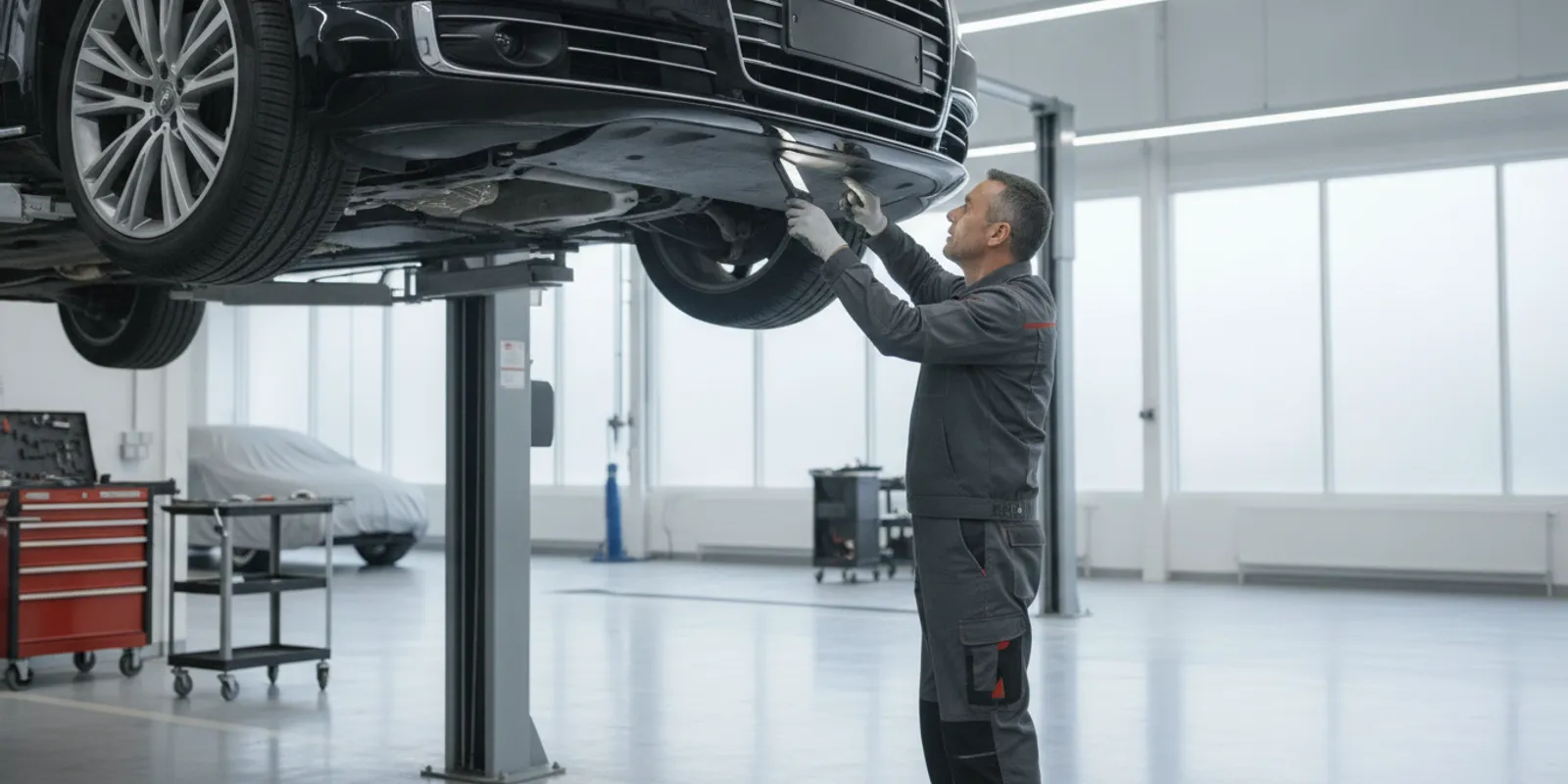
A physical inspection can assess the vehicle itself rather than only its recorded history. Depending on the inspection and access available, a qualified professional can look for signs of structural repair, frame damage, replaced body panels, or indications of flood exposure. These clues may be visible even when no history-report entry exists. An inspection is not a promise that every hidden issue will be found, but it gives you another type of evidence to consider.
This is different from a buyer’s walkaround. A walkaround helps you note visible condition and questions, while a structural review focuses on evidence that may require specialized knowledge or access to areas beneath the vehicle. A buyer can do both: observe the car, review its paperwork, and ask what a professional inspection covers.
At Select Auto Imports, Select Certification applies only to certified vehicles. The dealership describes this program as including a written guarantee concerning frame damage, body panel replacements, and flood damage. That information is a separate kind of assurance from a third-party history report; it does not mean every vehicle in the inventory is certified.
What questions should you ask before deciding?
Use the reports to make your questions specific. Ask whether the seller has repair orders, service records, or other documents that explain an entry. If there is no reported damage, ask what inspection process was performed and whether structural areas were reviewed. If the reports disagree, request an explanation rather than choosing the version that seems more favorable.
For any vehicle you are considering, confirm that you are reviewing records for the correct VIN. Ask whether the inspection findings and any written assurances apply to that exact vehicle. If you want to compare vehicles that have undergone a certification process, review the dealership’s certified pre-owned inventory and verify each vehicle’s status and documentation individually.
When buying from a distance, request clear copies of the reports and inspection documentation before making a decision. Ask for photographs or an explanation of any area that needs more context. A seller should be able to clarify what a report or certification statement covers, and what it does not.
Talk with Select Auto Imports about a vehicle
Frequently asked questions
Is CARFAX or AutoCheck more accurate?
Neither should be assumed to contain every event. The record available for a particular vehicle depends on which sources reported information and how it was matched. Comparing reports can reveal differences, but neither replaces checking the vehicle and its documentation.
Can both reports show no accidents even if a car was damaged?
Yes. If an accident or repair was never reported to a source that contributes data, it may not appear. A clean report means no relevant event appears in the information available to that service; it does not establish that the vehicle has never been damaged.
Should I get an inspection if I have both reports?
Reports and inspections answer different questions. Reports summarize available records, while an inspection evaluates the vehicle’s present condition and may identify physical signs of repair or damage. Consider an appropriate professional inspection when you need evidence beyond the reports.
Does Select Certification apply to every vehicle?
No. Select Certification applies only to certified vehicles. Confirm the status of the specific vehicle and review the terms and documentation associated with it.
CARFAX and AutoCheck can help you research a vehicle, but the strongest decision comes from combining records with questions, documentation, and a suitable physical inspection.