
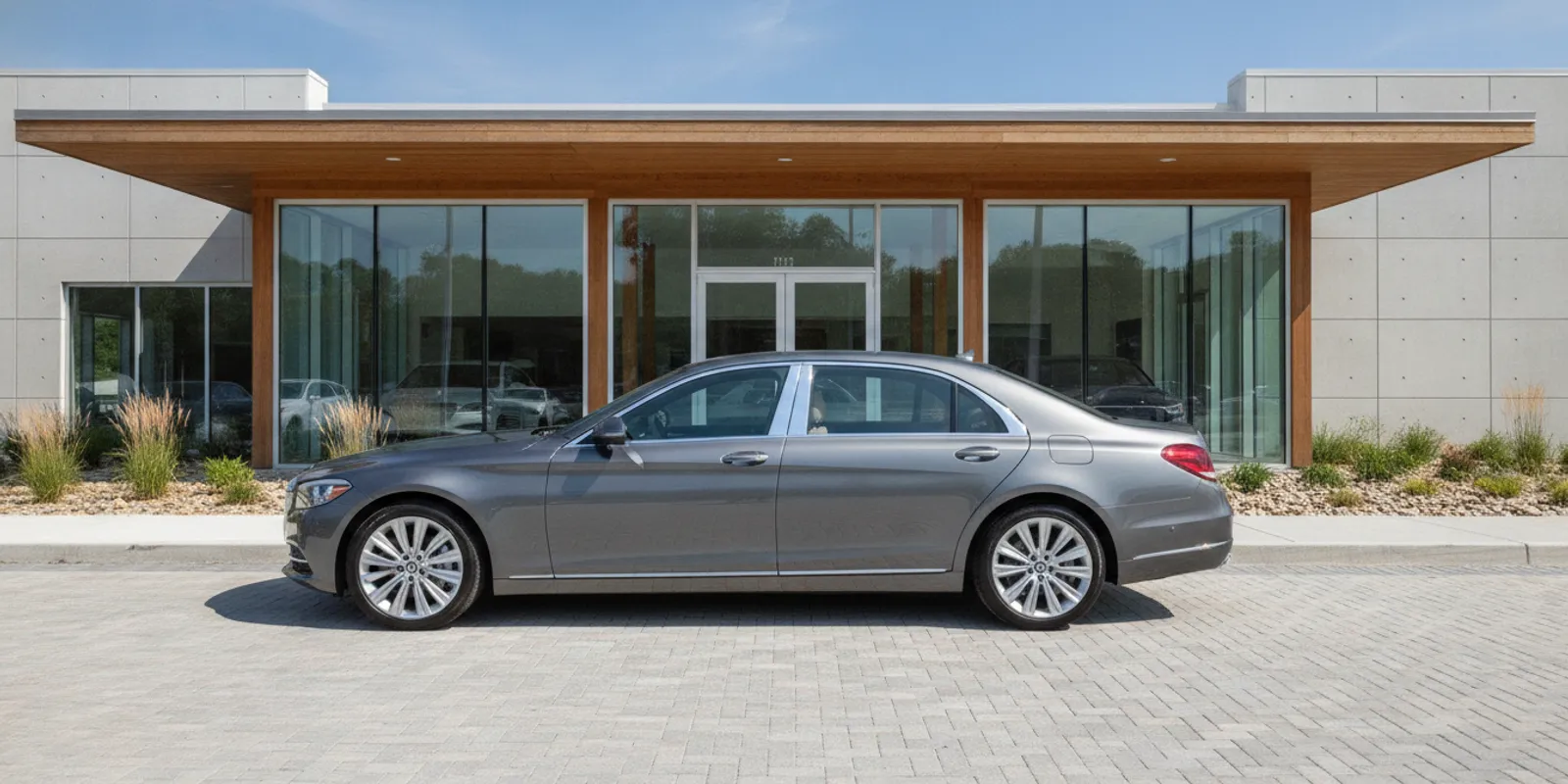
The most reliable used luxury cars are not necessarily the newest or most prestigious models. Reliability depends on the specific year and powertrain, how the vehicle was maintained, and what an inspection reveals. Compare evidence for the exact car you may buy, rather than relying on a brand reputation alone.
Ask about finding a well-maintained luxury car
What does reliability mean in a used luxury car?
Reliability is more than whether a car starts and runs today. For a used luxury vehicle, think about how consistently it performs, whether its maintenance has been kept up, and whether likely repairs fit your budget and plans. A low-mileage car can still need attention if it has missed services or sat unused. A higher-mileage car with clear records may offer a more complete picture of its care.
Luxury vehicles can combine complex electronics, driver-assistance features, specialized suspension, and premium powertrains. Those features can make ownership rewarding, but they also make the condition and service history especially important. A model's reputation is a useful starting point, not a substitute for checking a particular vehicle.
How should you compare the most reliable used luxury cars?
Start with evidence for the model year you are considering. Reliability can differ between generations, model years, and engine or drivetrain choices. Consumer Reports' used-car reliability rankings focus on 5- to 10-year-old models and draw on member surveys, so shoppers can use model-specific information as one part of their research—not as a promise about any individual car. See Consumer Reports' used-car reliability information.
Then narrow the comparison to a vehicle's history and condition. Use the same questions for each car you review:
- Which year and powertrain? Identify the exact generation, engine, and drivetrain. Do not assume every version of a model has the same ownership record.
- What maintenance is documented? Look for dated service entries, mileage, and descriptions of completed work. Ask about gaps rather than treating a clean-looking vehicle as proof of complete maintenance.
- What does the history show? Review available vehicle-history information for title events, reported damage, ownership changes, and mileage records. A history report is a research tool; it does not replace a physical inspection.
- What is the car's current condition? Have the vehicle assessed by a qualified professional familiar with the make and its systems. A thorough inspection can help identify wear, leaks, warning lights, or signs that require further diagnosis.
- What will routine care involve? Check the manufacturer's maintenance schedule and consider parts, tires, and service needs for the specific vehicle. Plan around the car you intend to own, not only its purchase price.
Which luxury brands or models should you consider?
Use your needs to create a shortlist, then research individual model years within it. Luxury sedans may suit shoppers who prioritize passenger comfort and a composed commute. SUVs can offer more space and a different driving position. Performance-focused and exotic vehicles may bring specialized equipment and a distinct maintenance profile. There is no single type that is most reliable for every buyer.
Compare more than one make and model when possible. A buyer set on a particular badge may miss a well-documented alternative that better fits their use. Review independent reliability information by year, read the maintenance schedule, and check whether the features you want add complexity you are comfortable maintaining. When comparing vehicles, look at similar mileage and service documentation so the differences are meaningful.
For a broad view of luxury-car shopping, Consumer Reports' luxury car buying guide offers a starting point for researching new and used models. Treat any list as a filter for further research, not a substitute for a vehicle-specific history review and inspection.
What should you check before choosing a specific car?
Before arranging a visit or purchase, put the available information in one place. Ask for the vehicle identification number so you can research the exact car, and request service documentation that is available. Confirm the odometer reading, ownership and title status, included equipment, and whether any concerns have been diagnosed. Details can vary from one vehicle to another, even within the same model year.
During a test drive, pay attention to how the vehicle behaves from a cold start through normal operating temperature. Notice unusual sounds, vibrations, warning messages, inconsistent shifting, or features that do not operate as expected. These observations are not a diagnosis; they are useful topics to raise with the seller and the inspecting technician. Ask for any unresolved concern to be explained before you make a decision.
Also review what “certified” means for the specific vehicle. Certification programs and included coverage can differ, and not every used luxury car is certified or sold with the same warranty. Read the written terms and ask what inspection was completed and what protections, if any, apply. Select Auto Imports describes its Select Certification and written guarantees against frame damage, body panel replacements, and flood damage on its Select Certification page; confirm the vehicle's individual status and applicable terms.
How do condition, cost, and ownership plans fit together?
A reliable choice is one you can maintain comfortably. Set aside time to compare expected scheduled service, tire needs, and the condition of high-wear components. Ask a technician what may need attention soon, and distinguish routine maintenance from a confirmed repair. Avoid assuming that a model's reputation or an inspection label guarantees future repair costs.
Consider how long you plan to keep the vehicle, how much you drive, and whether you need a local service option or are shopping from farther away. If financing is part of your plan, compare the terms available to you and the total amount you expect to pay. Select Auto Imports provides information about its vehicle financing options; terms and eligibility depend on the individual buyer and vehicle.
Shoppers with a trade-in can review the dealership's trade-in appraisal information as another step in planning. Keep the vehicle price, applicable taxes and fees, financing terms, and any trade-in value distinct when comparing offers. That makes it easier to understand the full transaction and decide whether the car fits your budget.
Browse certified pre-owned inventory
Frequently asked questions
Are luxury cars reliable after five years?
Some can remain dependable, but age alone cannot answer that question. Compare reliability information for the model year and powertrain, review service records, and arrange an inspection of the specific vehicle. Maintenance and condition matter as much as the name on the hood.
Is a lower-mileage used luxury car always the better choice?
No. Lower mileage may reduce some forms of wear, but incomplete maintenance, long periods without use, or unresolved issues can still affect condition. Compare mileage alongside documented service, vehicle history, inspection results, and how the car was used.
Does a clean vehicle-history report prove a car is reliable?
No. A report can provide useful recorded history, but it may not include every event or maintenance detail. Review records, check the vehicle in person, and have a qualified professional inspect it before you decide.
Should I choose a certified used luxury car?
Certification can add inspection standards or written protections, depending on the program and the specific vehicle. Ask what was inspected, what coverage applies, and what exclusions or limits appear in the written terms. Verify that the vehicle you are considering is actually certified.
The strongest used luxury-car choice is the one supported by model-specific research, consistent records, a careful inspection, and an ownership plan that works for you. Compare the evidence for each candidate before letting a badge or a ranking make the decision.