
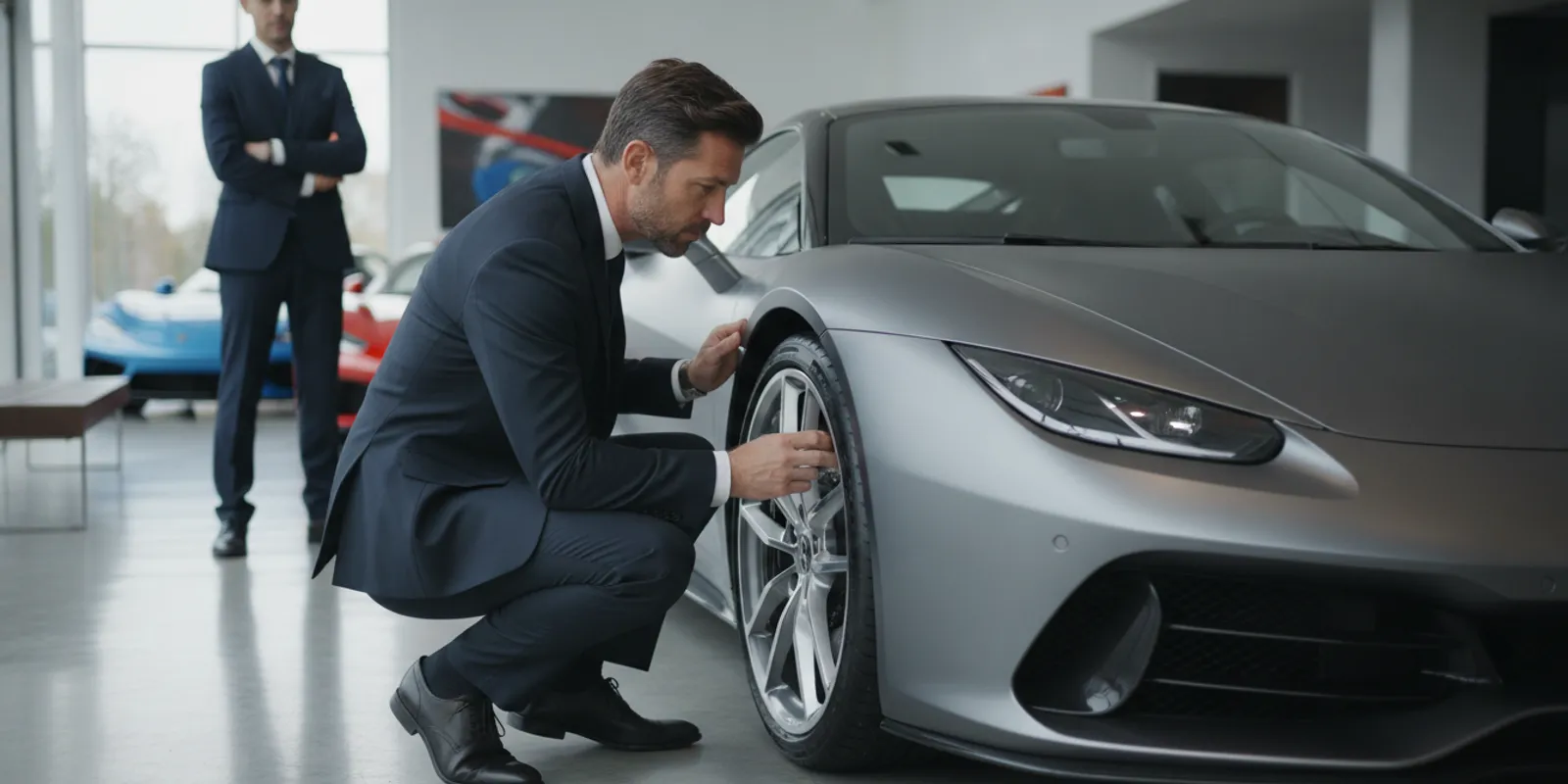
Buying a used exotic car can put a distinctive vehicle within reach, but the decision deserves more than a quick look at paint and mileage. Start with a clear use case, then verify the car’s history, condition, records, and expected ownership needs before committing. A careful process helps you compare the car itself, not just the badge.
Ask us about your exotic car search
What should you decide before shopping?
Define how you plan to use the vehicle. A weekend sports car, a daily driver, and a long-distance touring car place different demands on comfort, ground clearance, storage, and service access. Also decide how much time you can devote to upkeep and whether you are comfortable planning service with a specialist.
Make a shortlist around practical needs as well as emotion. Consider:
- Driving pattern: How often will you drive it, and in what weather?
- Passenger and cargo needs: Will you regularly carry people or luggage?
- Usability: Are visibility, ride height, and entry and exit comfortable for you?
- Ownership horizon: How long do you expect to keep it, and how important is resale flexibility?
- Budget boundaries: Account for purchase, taxes and registration, insurance, maintenance, tires, and unexpected repairs. Obtain current quotes rather than relying on general estimates.
Write down must-haves and preferences separately. That makes it easier to compare a specific model with alternatives in a multi-brand inventory, without treating one exact vehicle as the only possible choice.
How do you check the vehicle’s history?
Ask for the vehicle history report and review it alongside maintenance records. A report is a useful starting point, not a substitute for examining the car. Look for consistency in mileage and ownership timeline, and ask the seller to explain any gaps, reported damage, or title events in plain terms.
Service documentation can show whether routine maintenance and model-specific work were performed. Compare invoices and dates with the manufacturer’s maintenance schedule for that model and year. If records are incomplete, ask what can be verified and what remains unknown. Avoid treating a clean report as proof that a car has never had a problem.
For broader context, Consumer Reports explains that its used-car reliability rankings focus on member surveys of 5- to 10-year-old models. Reliability information can help shape questions, but it does not establish the condition of an individual vehicle: read about its used-car reliability rankings.
What should an inspection cover?
Arrange an independent inspection by a technician familiar with the make and model, especially if you are buying remotely or the vehicle has complex performance systems. Agree on the scope in advance and request written findings. An inspection should help you understand present condition; it cannot guarantee that a used vehicle will never need repairs.
Ask the technician to assess areas such as:
- Evidence of collision repair, paintwork, or uneven panel fit.
- Undercarriage, suspension, brakes, tires, and signs of leaks.
- Engine, transmission, cooling system, and diagnostic alerts.
- Operation of electronics, driver-assistance features, and comfort systems.
- Wear patterns that appear inconsistent with the displayed mileage or stated use.
Take a measured test drive when permitted. Listen for unusual sounds, note how the car behaves under normal acceleration and braking, and check that warning lights behave as expected. Do not push the vehicle hard on public roads. If a concern appears, pause and ask for an explanation or additional evaluation.
How should you evaluate certification and protection?
Certification standards vary. Ask what the inspection includes, who performed it, whether findings are documented, and whether there is a written guarantee or separate repair warranty. These are not interchangeable: an inspection describes checks, a guarantee addresses specified conditions, and a repair warranty sets terms for covered repairs.
Read the written terms before relying on any protection. Confirm what is covered, exclusions, duration, transferability, claim procedure, and where repairs may be completed. Do not assume every vehicle is certified or that a certification covers mechanical failures. Select Auto Imports describes its Select Certification process, including dual physical and mechanical inspection and written guarantees against frame damage, body panel replacements, and flood damage. Ask which protections apply to the particular vehicle under consideration.
How can you compare two exotic cars fairly?
Compare vehicles with the same checklist rather than relying on memory. Record mileage, documented service, inspection observations, included equipment, known condition concerns, and the protection terms offered. Then consider whether the differences matter to your use and ownership plans.
Brand reputation can inform research, but model year, maintenance, condition, and individual history matter too. A lower-mileage car with weak documentation may call for more questions than a higher-mileage car with consistent records and a clean inspection. Neither mileage nor a badge alone determines value or future reliability.
What ownership costs should you plan for?
Premium and exotic vehicles can require model-specific parts, specialist labor, and tires suited to their performance and wheel setup. Costs vary by make, model, condition, location, and service needs, so seek vehicle-specific estimates before purchase. Call an insurer for a quote using the exact vehicle details, and ask a qualified service provider about upcoming maintenance based on records and inspection findings.
Check whether routine service is due soon and whether there are time-based maintenance items in addition to mileage-based work. Ask what the seller knows about previous repairs, modifications, and warning lights. If the car has modifications, request documentation and determine whether they affect service, insurance, or warranty eligibility.
For questions about maintenance support, review the dealership’s luxury vehicle service information. Service availability and the right repair provider should be confirmed for the specific model and work required.
What should remote buyers verify?
When you cannot see a car in person, request current, detailed photographs and a walk-around video, including close views of areas identified in the inspection. Ask who completed the inspection and whether you can speak directly with the technician. Review all documents before arranging transport, and confirm the purchase terms and delivery arrangements in writing.
Plan delivery only after you understand the vehicle’s condition and the seller’s process. Ask what shipping options are available, how the vehicle is protected in transit, and what documentation accompanies it. Select Auto Imports provides information about nationwide shipping; confirm arrangements for your destination and the specific vehicle.
What questions should you ask before moving forward?
- Can I review the available service records and vehicle history information?
- What inspection was completed, and can I see the written results?
- What is known about prior damage, repairs, or modifications?
- Which certification, guarantee, or warranty terms apply to this specific vehicle?
- What maintenance may be due next, based on the records and inspection?
- Can I arrange an independent inspection before finalizing the purchase?
- What fees and applicable state charges should I expect in the transaction?
- If I am remote, what are the steps for documentation and delivery?
Frequently asked questions
Is mileage the most important factor when buying an exotic car?
No. Mileage is one part of the picture. Maintenance history, use, storage, condition, and inspection results also matter. Compare the complete record rather than choosing on mileage alone.
Should I buy a car without complete service records?
Incomplete records do not automatically settle the decision, but they leave questions unanswered. Find out what can be independently verified, obtain a thorough inspection, and consider whether the remaining uncertainty fits your comfort level.
Does certification mean future repairs are covered?
Not necessarily. Certification, a written guarantee, and a repair warranty can mean different things. Read the documents for the exact vehicle and confirm coverage, exclusions, and claim steps.
Can I buy an exotic car from another state?
Yes, buyers can explore vehicles remotely, but they should verify condition, records, terms, and delivery arrangements before proceeding. An independent inspection and clear written documentation are especially useful when you cannot visit in person.
Discuss your vehicle search with Select Auto Imports
Take the time to verify the individual car and the terms that come with it. A documented, methodical comparison can help you choose an exotic vehicle that fits both your driving plans and your comfort with ownership.